Home Stories

Protection and the medieval birth scroll

  • Series
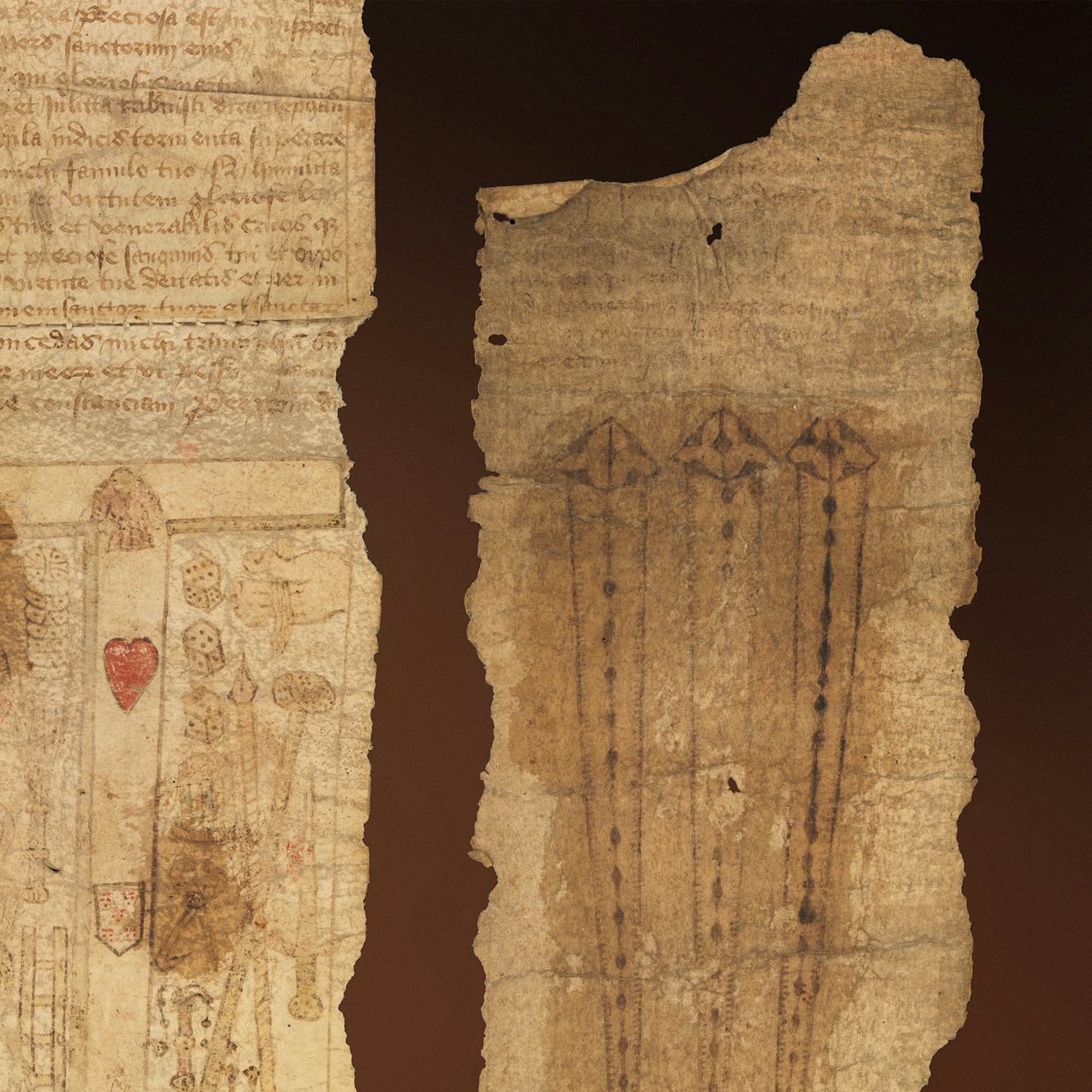
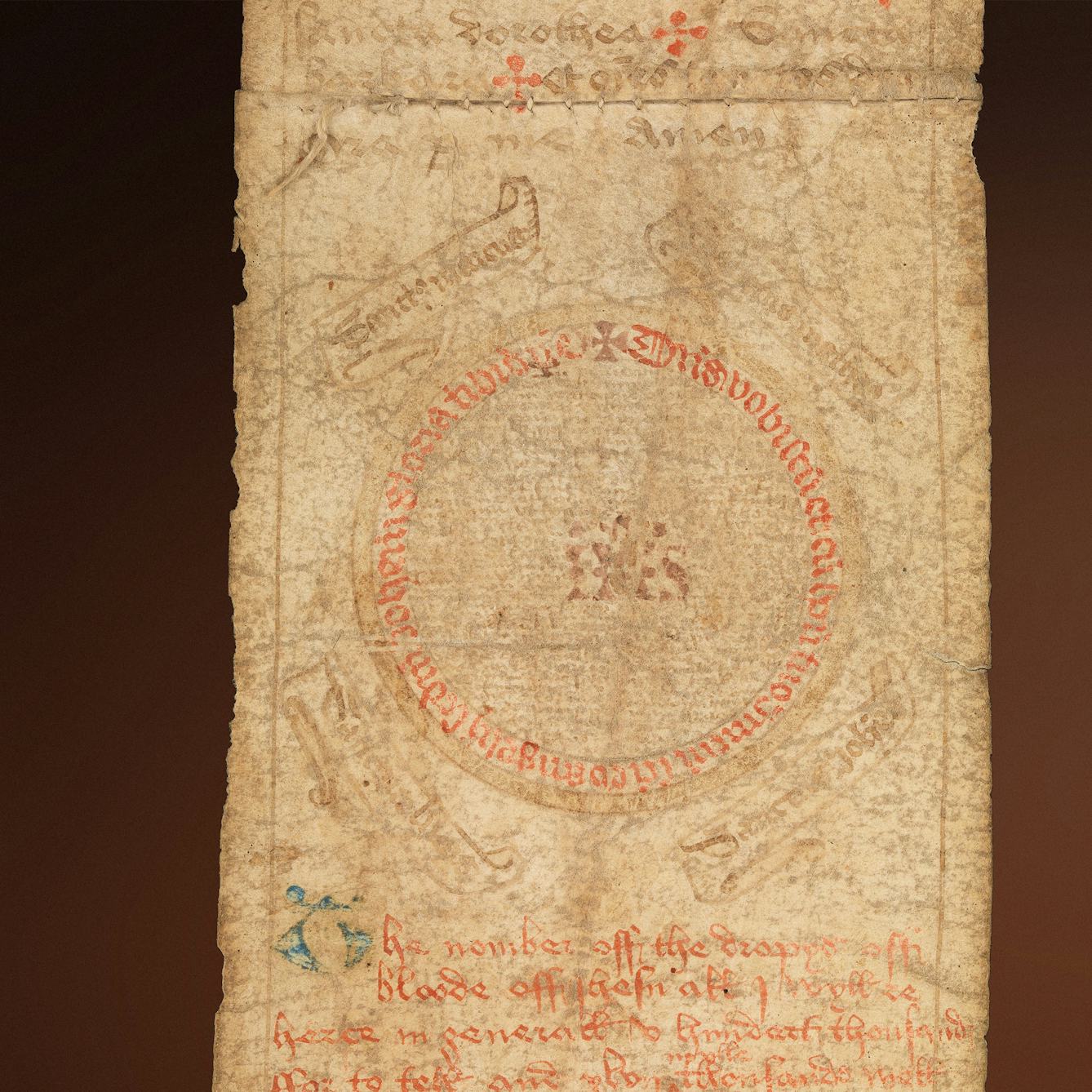
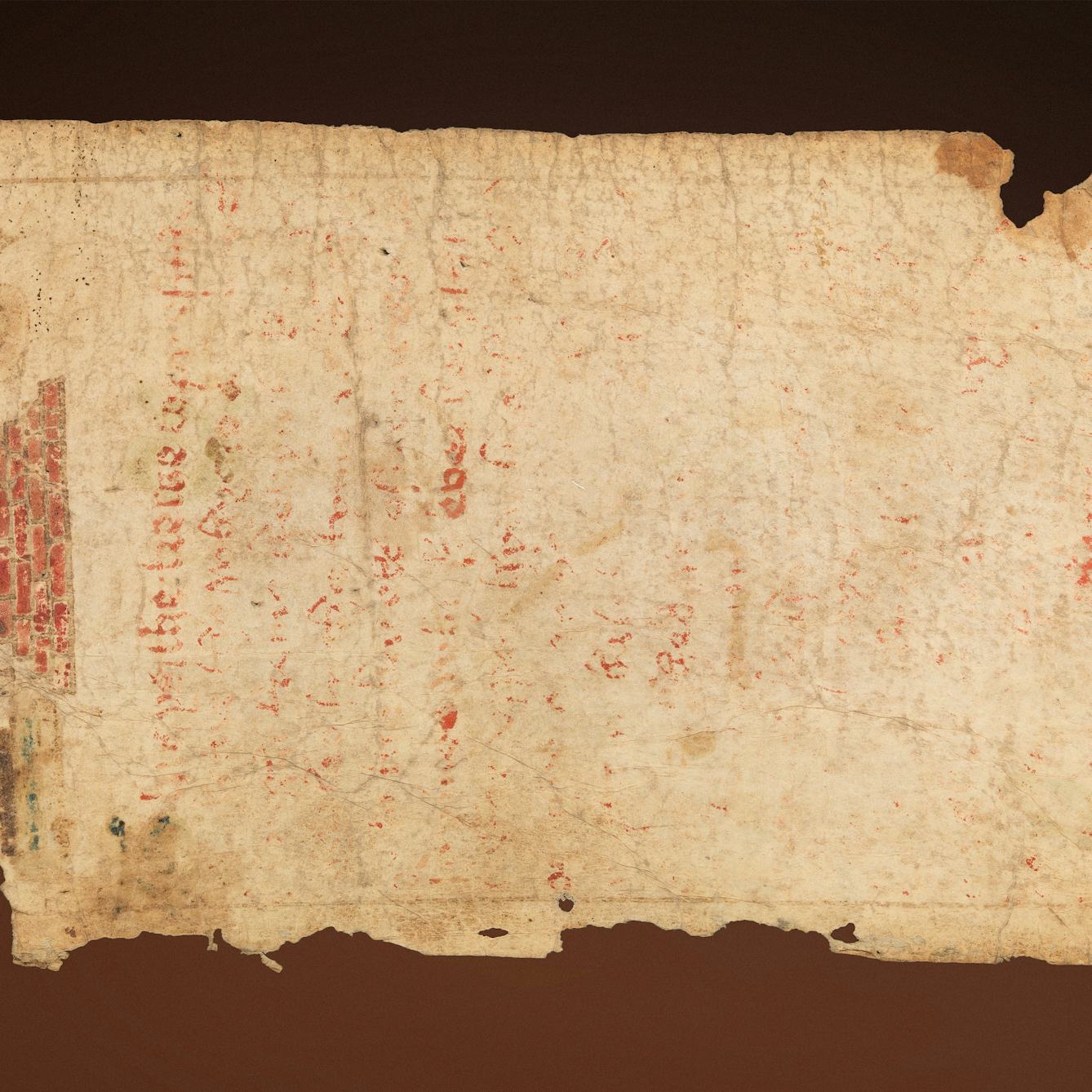
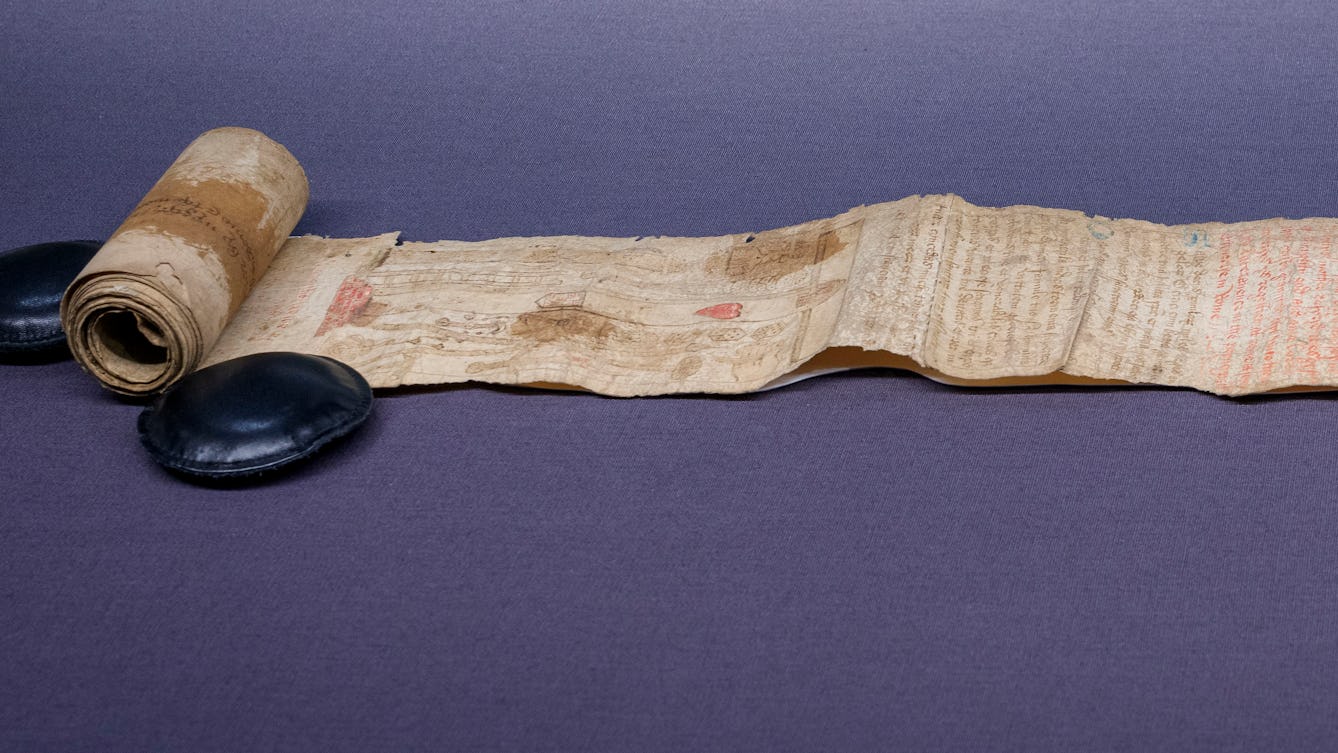
A partially unrolled parchment scroll with faded text, images and stains on its surface, from c1500 CE. Featured in an exhibition at Wellcome Collection: 'Expecting: Birth, Belief and Protection', 24 October 2025 – 19 April 2026.
Birth scroll with prayers and invocations to Saints Quiricus and Julitta Saints Quiricus & Julitta, Photographer: Steven Pocock, 2025. Source: Wellcome Collection. © Wellcome Collection. Attribution-NonCommercial-NoDerivatives 4.0 International (CC BY-NC-ND 4.0).

Pregnancy and childbirth are life-changing events. But even with the best medical care, they are not without risk. For Medieval women, childbirth was even more precarious, so they relied on more than the expertise of the midwife to deliver mother and newborn safely.

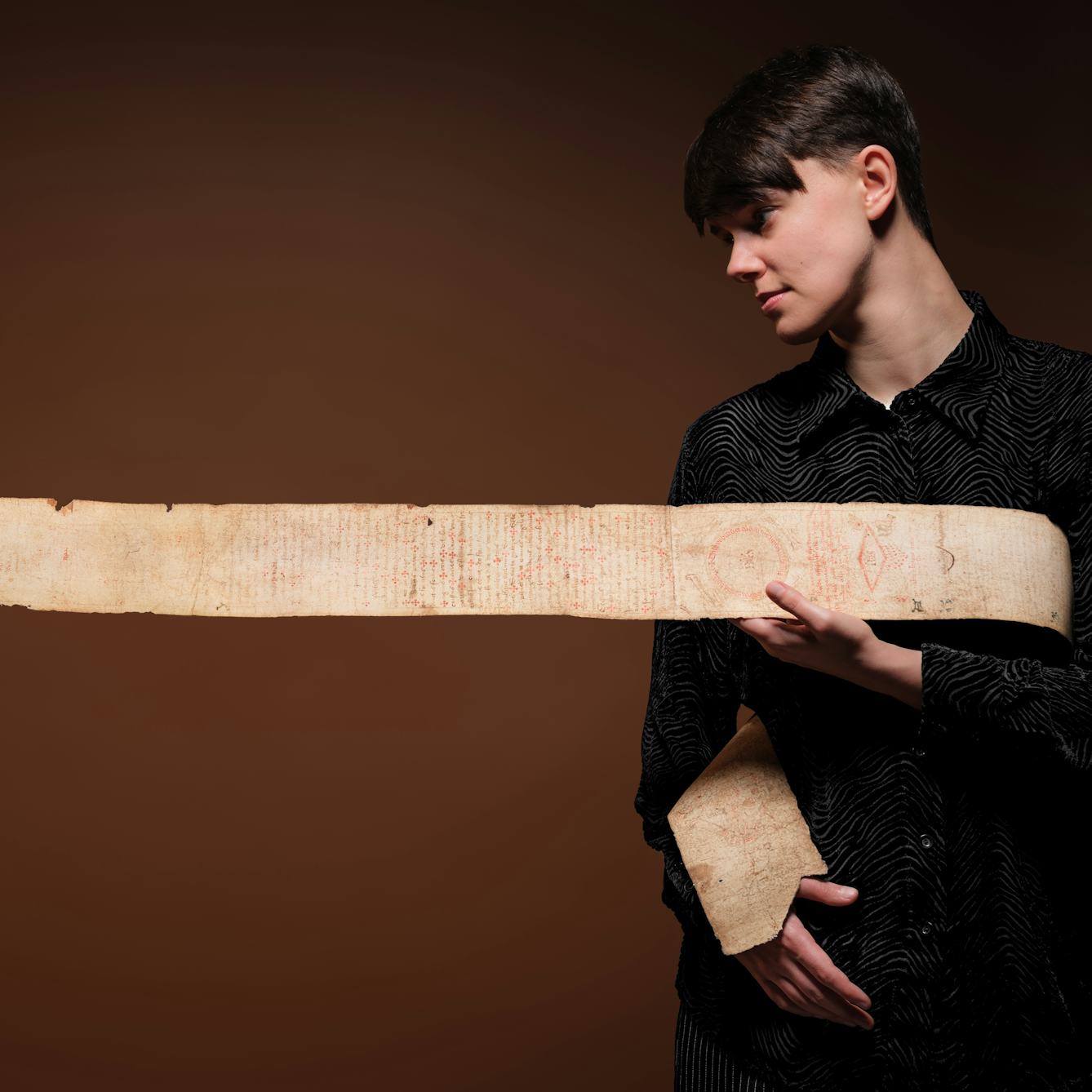
Wellcome MS.362(view in catalogue) is a 500-year-old medieval birth scroll, an example of a textual amulet that was used for divine protection during childbirth. This remarkable 3-metre-long, ribbon of rolled parchment has survived centuries of handling and physical manipulation in rituals of prayer and healing, becoming the focus generations of intense emotions, from hope and fear to sorrow or joy.

In this series of articles, 21st-century people encounter this fragile link to the past and found that it still had the power to evoke strong feelings.

Read stories from:

  • the researcher privileged to handle it for themselves
  • the historian who explains that Medieval pregnancy and childbirth risked spiritual as well as physical loss
  • the 21st century mother who realised that the birth room could be a battlefield
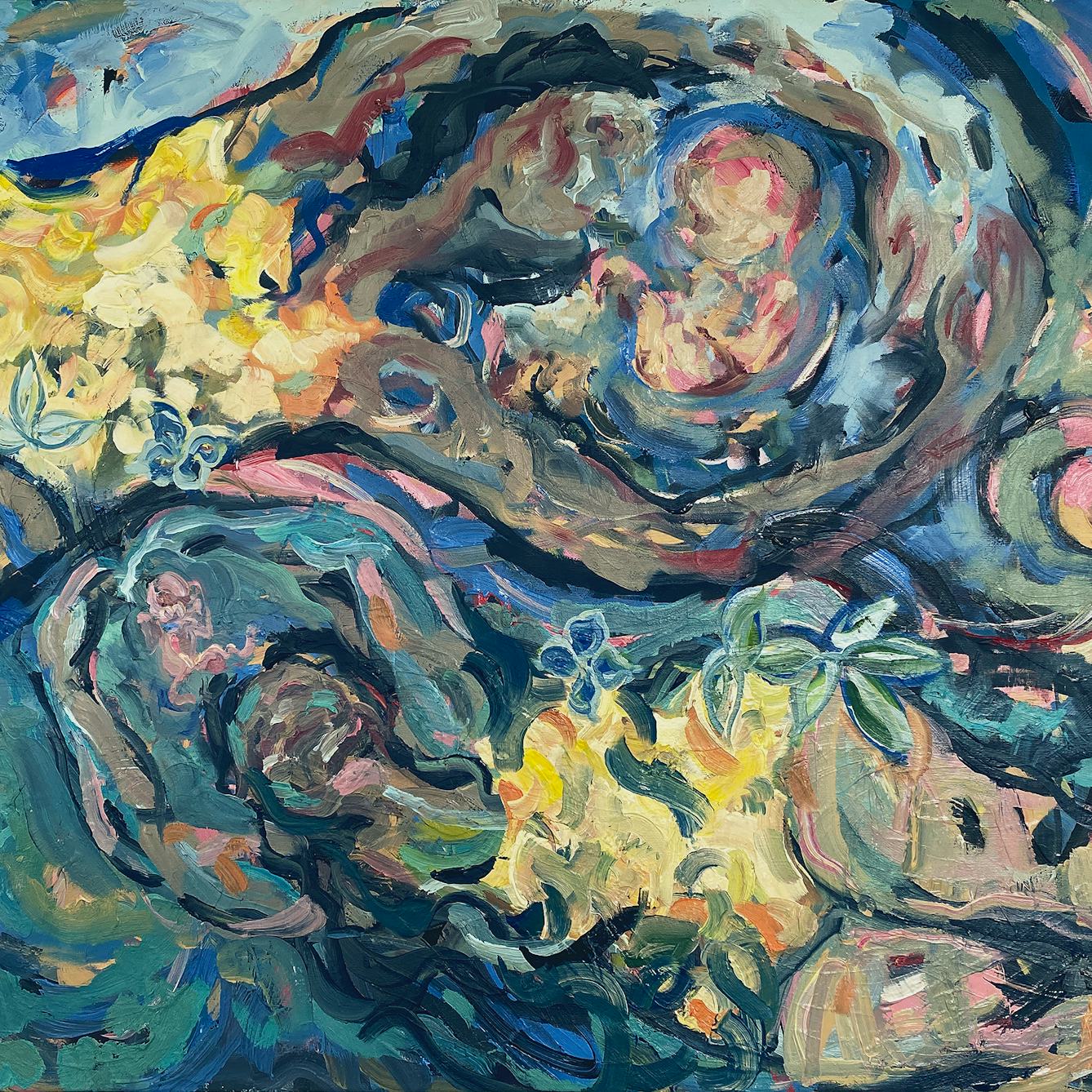
  • the artist whose historical research on infertility led her to the birth scroll
  • and the conservator who now protects the protective amulet.
About the contributors

Black and white headshot of Lalita Kaplish, digital editor.

Lalita Kaplish

(she/her)
Editor

Lalita is a digital content editor at Wellcome Collection with particular interests in the histories of science and medicine and discovering hidden stories in our collections.

Head and shoulders photo of a young person with short dark hair. They are smiling and facing the viewer but looking to the right of the image.

Dr Kierri Price

(they/them)
Author

Kierri is one of the curators of the Wellcome Collection exhibition ‘Expecting: Birth, Belief and Protection’. They are an independent researcher and former CHASE Arts and Humanities Research Council-funded PhD student, based jointly at Birkbeck, University of London and Wellcome Collection. Their research focuses on the manuscripts and artefacts of late medieval England, particularly those that relate to interactivity, accessibility and the protection of the body and the soul. 

Black and white photograph of a young woman with long straight hair. She is smiling and looking directly at the camera.

Róisín Donohoe

Author

'Dr Róisín Donohoe is a medieval historian who currently works in archives and special collections. Her research into the therapeutic texts and objects that women used in childbirth during the late medieval and early modern period has been published widely, including 'Locating childbirth devotion in the English parish church, 1450–1580' ('The Historical Journal', 2023).

A black and white photograph of the head and shoulders of a young woman with long shoulder-length hair smiling at the camera.

Tulip Mazumdar

Author

Tulip Mazumdar is a global health journalist who has reported extensively on women's health and miscarriage care around the world. She was the BBC's first Global Health Correspondent and now works as a freelance journalist, writer, presenter and moderator.