Menopause can be tough when nobody wants to talk about it and all the stereotypes are negative. But Helen Foster argues that it can be a transformative rite of passage into a new lifestage - cronehood. Some women have reclaimed the crone as the embodiment of wisdom and experience and a positive role model for life after menopause.
Part6
Crones
Words by Helen FosterEast Midlands Oral History Archiveartwork by Asma Istwaniaverage reading time 4 minutes
- Article
- Serial

Crones. © Asma Istwani for Wellcome Collection.
For the longest time, menopause was cloaked in mystery and ignorance – a taboo subject. The physical, mental and emotional upheaval that it unleashed often coincided with other life changes, such as ageing parents and children growing up. Yet most women had to struggle with menopause alone – too embarrassed to talk about their symptoms or seek help. And for those who did ask for help, little information was available, either medically or culturally, on how to live with menopause and beyond.
By the 19th century, menopause was increasingly medicalised as a condition to be held at bay so that women could stay “feminine forever”, although patriarchal systems of religion, science and medicine continued to frame middle-aged and menopausal women as having outlived their usefulness after the loss of fertility. Menopause was characterised as a series of losses: the loss of fertility, youth, beauty, vitality, femininity.
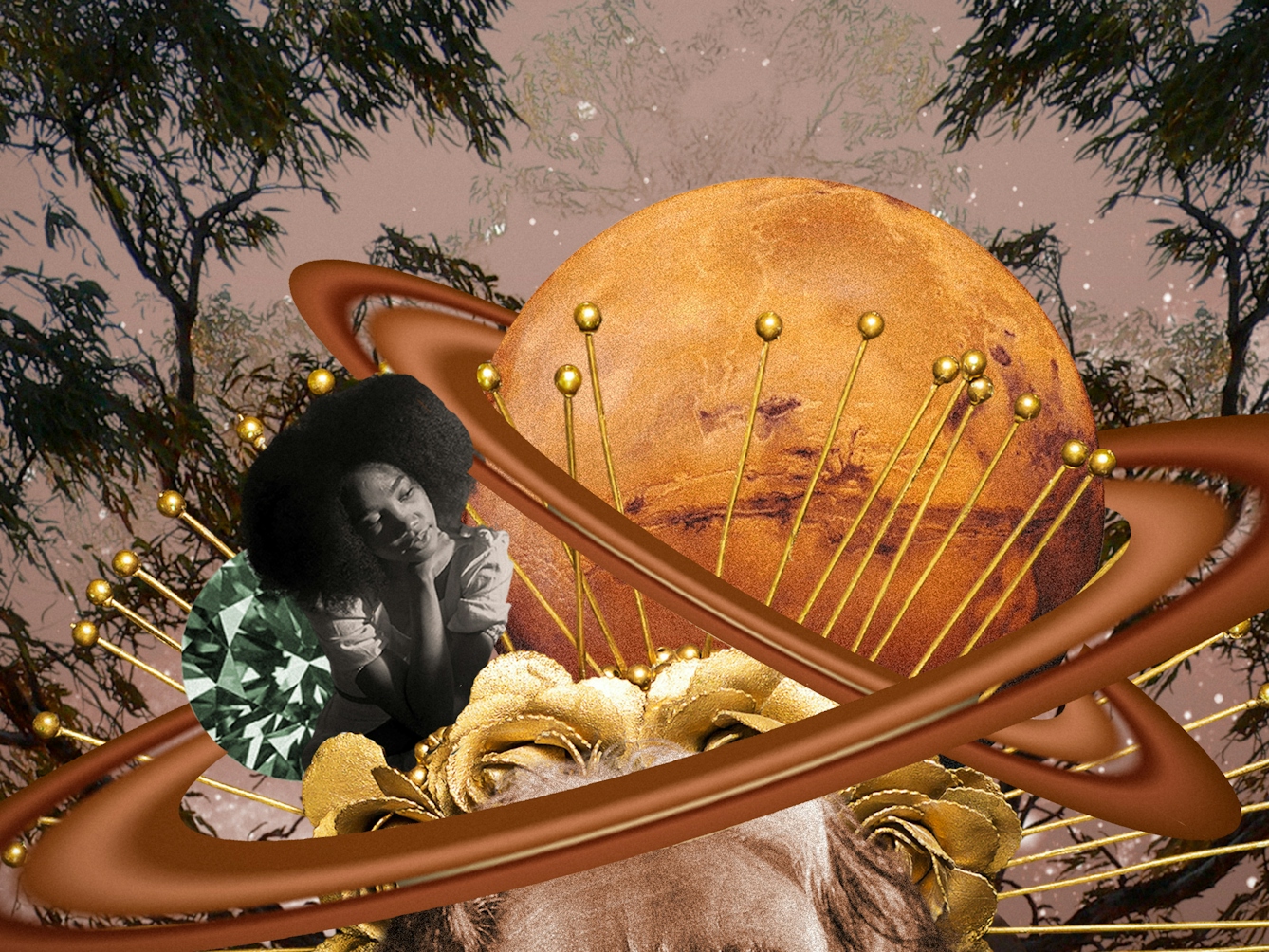
Crones. © Asma Istwani for Wellcome Collection.
In addition to the physical symptoms, menopause was often associated with negative stereotypes for older women, such as witch, hag and crone, all of which came with a history of violence and control. Add to this the loss of social status of ageing women who feel increasingly invisible and marginalised, and it’s no surprise that for many, menopause remains a challenging time.
Elapsed time: 0 secondsTotal time: 0 seconds
The wisdom of cronehood
Some women have sought to reclaim the status of the older woman from the stereotype of the wicked witch and the decrepit crone of history. Neopagan and New Age feminists draw on earlier writers and movements to resurrect supposed pre-Christian European traditions of the venerated goddess and the wise woman, whose experience and knowledge were valued by her community.
The psychologist Carl Jung was very influential in evoking the great mother as an archetype of older womanhood. The pagan idea of the triple goddess was popularised by the writer Robert Graves, influenced by early 20th-century scholars such as Jane Ellen Harrison. Based on the goddesses of Ancient Greece, the triple goddess has three aspects, sometimes linked to the phases of the moon.
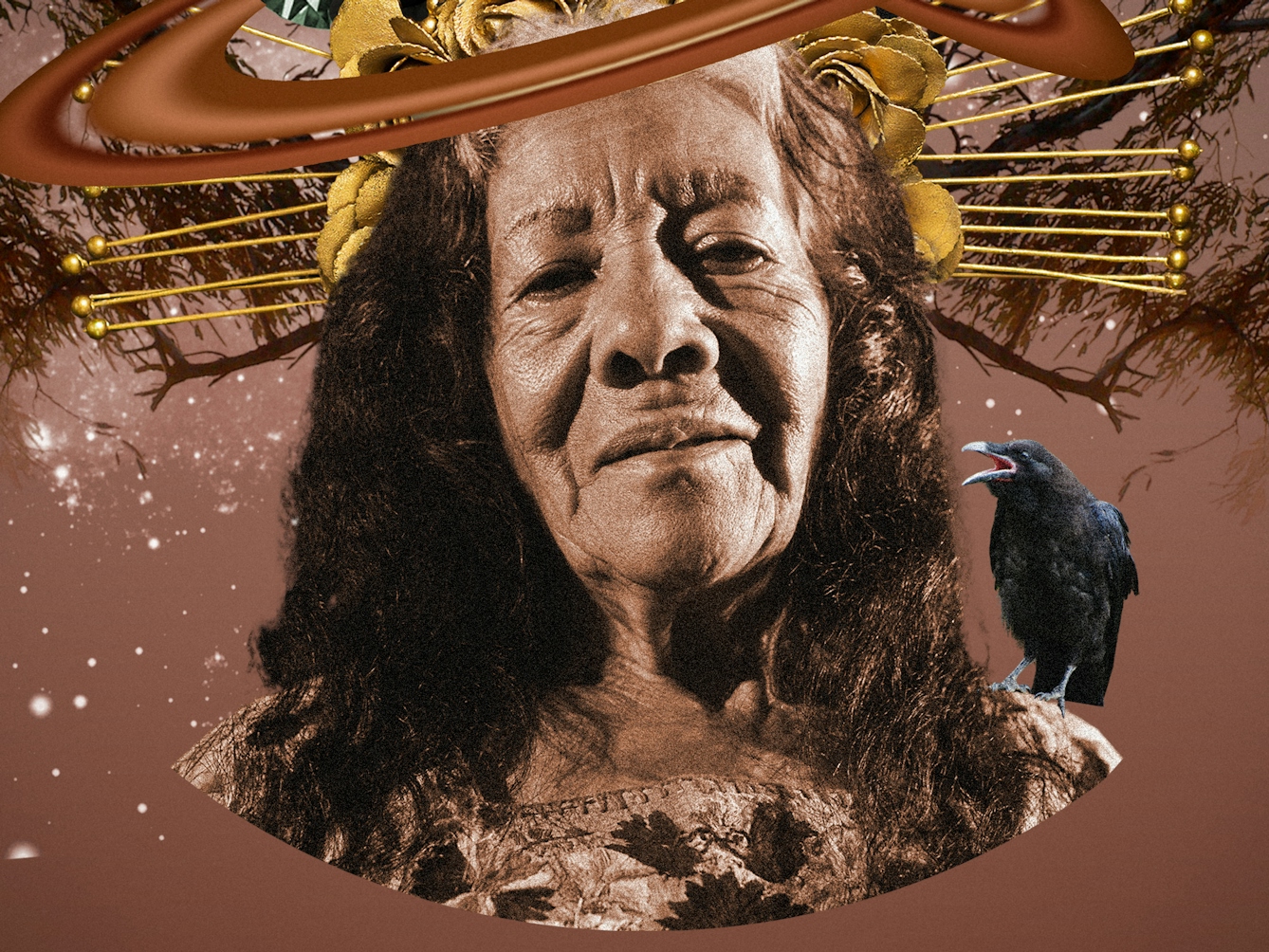
Crones. © Asma Istwani for Wellcome Collection.
The three archetypes are personified as the maiden, the mother, and the crone, each of which symbolises a stage in women’s lives. The maiden represents birth, youth, growth and the waxing moon. The mother represents fertility, power, ripeness and the full moon. The crone represents wisdom, repose, death and the waning moon. Menopause is often seen as a marker for entering cronehood, the third phase of life.
Life beyond menopause
For some, perhaps with a more spiritual inclination, ‘croning’ is a celebratory ritual marking the rite of passage into the third phase of life after menopause. For others who are trying to understand menopause and find meaning in the upheaval of their post-menopausal lives, cronehood is an example of engaging with this stage of life with a positive sense of ageing.

Crones. © Asma Istwani for Wellcome Collection.
The Jungian psychologist Jean Shinoda Bolen, in her book ‘Goddesses in Older Women’, suggests that women become trapped into narrow, culturally prescribed roles at different stages in life which stifle their power, vitality and creativity. She urges women over 50 to search out positive archetypes or patterns of behaviour that will help them realise their full potential.
While archetypes of the triple goddess and cronehood may seem a long way from coping with hot flushes and hormonal mood swings, they offer ways to address the absence of both cultural traditions and lived experiences of menopause in the historical record. And as more conversations about menopause happen, many more examples and experiences may emerge.
Elapsed time: 0 secondsTotal time: 0 seconds
The multifaceted menopause
As conversations about menopause open up in the 21st century, women have a variety of ways to think about the menopause. Alongside the medical model, which focuses on the hormonal changes and symptoms of menopause, are several other models emphasising different aspects of this life stage.
A social-construction model considers how menopause is shaped by social attitudes and historical baggage. And a natural-life model draws on the crone archetype, challenging the medicalisation of menopause, instead viewing it as a positive transformation, with a holistic approach to health and wellbeing.
Elapsed time: 0 secondsTotal time: 0 seconds